
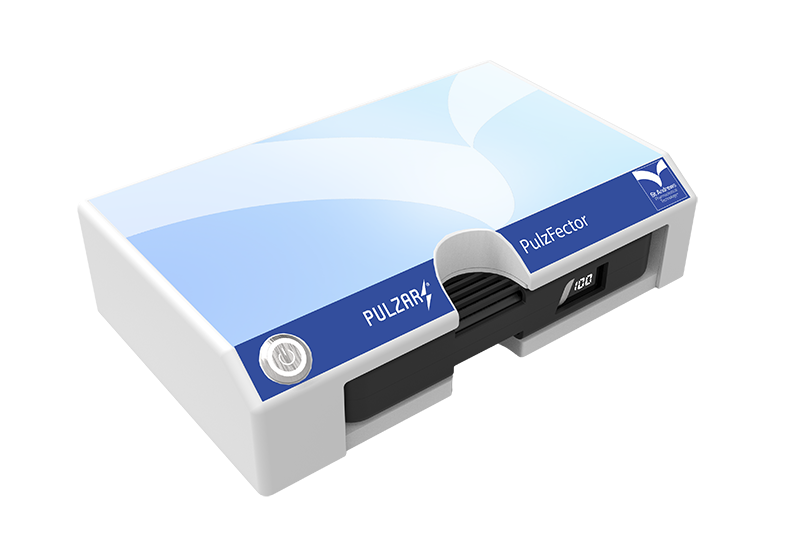
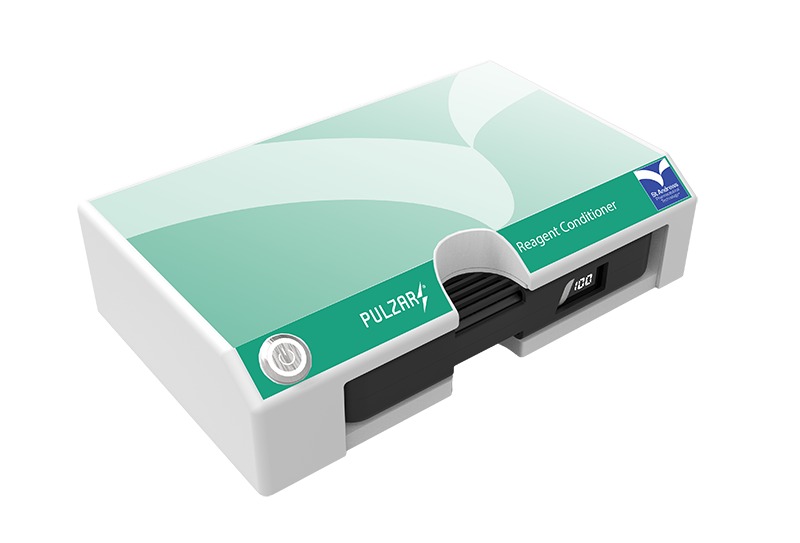

Pulzar Technology is delivered through two
complementary platforms: the PulzFector and the Pulzar Reagent Conditioner
Together, they enhance both cellular and reagent
performance, enabling more efficient, consistent, and productive workflows
across mammalian cell systems
PulzFector exposes mammalian cells to Pulzar signals, supporting:
Cells treated with Pulzar are better prepared for downstream manipulations such as gene delivery and protein expression
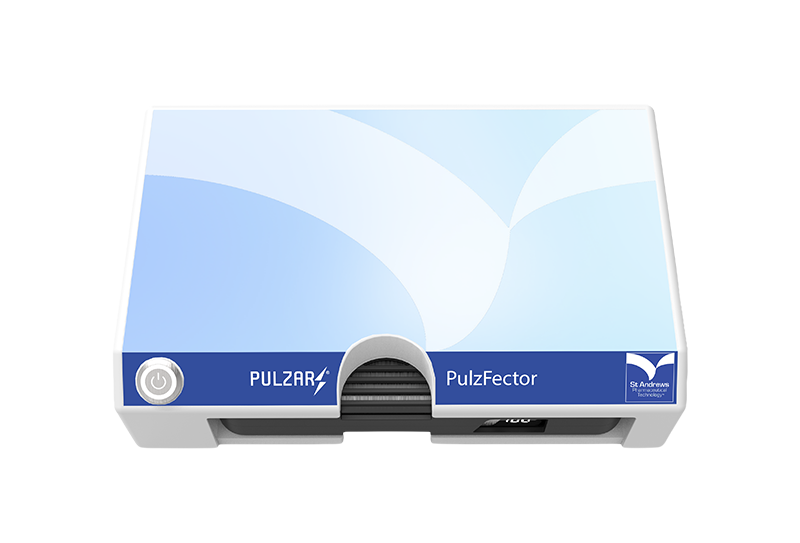
The PulzFector is a flat, platform-based device designed for seamless integration into laboratory workflows
Standard culture vessels (e.g. flasks) are placed
directly onto the device surface, enabling non-contact exposure without
modification of existing workflows
Pulzar exposure can be adapted to a range of
experimental and process conditions:
— Dr Eric Wagner, CEO of The Antibody Company
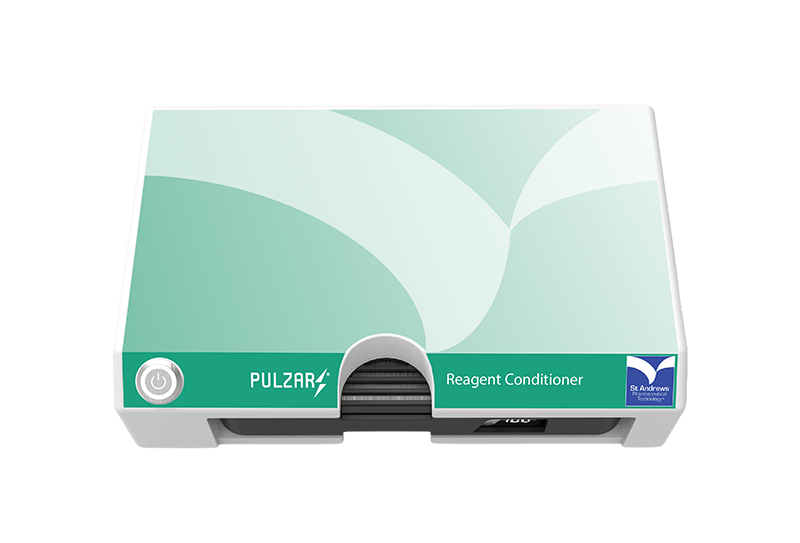
The Pulzar Reagent Conditioner is designed to act on
transfection reagents and nucleic acid complexes, improving stability and
performance prior to cell exposure
These effects support more efficient and consistent transfection outcomes
The Pulzar Reagent Conditioner is based on the same
core platform architecture as the PulzFector, operating as a standalone, benchtop device with a flat,
platform-based design
DNA-reagent mixtures are placed directly onto the
device surface prior to use, where Pulzar technology conditions the complexes
in a simple, workflow-compatible step
Treatment duration typically ranges from 10–20
minutes, depending on the protocol, and can be adapted to specific experimental
requirements